




- Protective screens for cars: benefits, risks and how to avoid harm
- Main advantages: protection from heat and fading
- Disadvantages: what sellers do not tell you
- Looking for an alternative
- Conclusion: is it worth using?
Protective screens for cars: benefits, risks and how to avoid harm
Summer heat is a real test for a car. Leaving a car in the sun without protection means knowingly exposing the interior to overheating, and the plastic and upholstery to premature aging. One of the most popular ways to escape the heat is a sun screen for the windshield. But is it really as safe and effective as sellers promise? Let's go through all the pros and cons.
Main advantages: protection from heat and fading
The mirror surface of the screen really does reflect sunlight and ultraviolet rays. This protects the dashboard and plastic from overheating, damage and fading. After such a screen is installed, the air conditioner does not have to work at its limit: the interior heats up more slowly, which means it takes less time to cool it.
Moreover, a screen is an inexpensive and quick way to protect your car. It folds compactly, is easy to install and does not require complicated mounting. Drivers love this accessory precisely for its convenience.
Disadvantages: what sellers do not tell you
Despite the obvious advantages, screens have several serious drawbacks.
1. Risk of electronics overheating. The main danger is reflected rays. The screen itself does not absorb solar energy but redirects it. If it is mounted on the inside, the reflected beam can be focused on a dash cam, radar detector or rearview mirror. As a result, these devices overheat and fail. The solution: either remove all electronics from the glass, or cut holes in the screen so that all devices remain in its shadow.
2. Risk to the windshield. If the windshield has chips or cracks, a screen can make the problem worse. Concentrated reflected rays heat the damaged spot and make the crack grow. Also keep in mind that a screen installed on the inside partly reflects heat back onto the glass, heating it even more.
3. Incomplete protection and theft. Fixing a screen on the outside means risking that it will simply be stolen. If you install it on the inside, it works less effectively, because sunlight first passes through the glass and only then meets the barrier. Some owners also complain that the screen does not always cover the glass perfectly, leaving gaps.
4. Additional risk. There is an opinion that under certain conditions a screen can create a lens effect and cause a fire, although confirmed mass cases are few.
Looking for an alternative
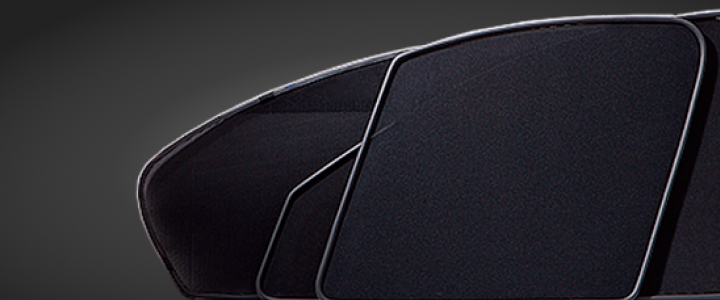
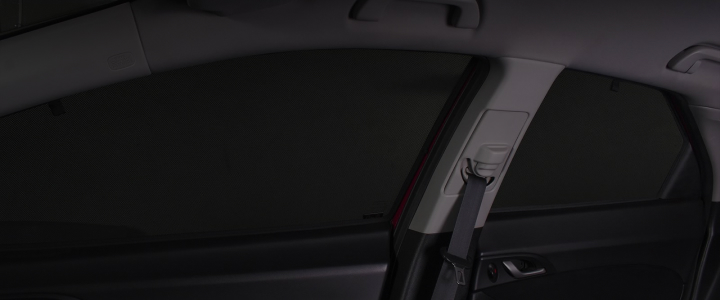
The main drawback of screens is that they are short-lived and unstable. They can fall off, hold poorly on suction cups and quickly lose their appearance. In this respect protective screens clearly lose to frame car sunshades.
Frame sunshades do not reflect but absorb sunlight, which rules out the risk of overheating electronics. They are rigidly fixed in the opening, do not fall off, do not fade and do not redirect rays, providing more stable protection for the car interior. Although they cost more, their effectiveness and safety are much higher.
Conclusion: is it worth using?
A sun screen is a simple and affordable way to fight the heat, but it requires care. Before installing it, be sure to check the glass for chips and remove from the dashboard all devices that could suffer from overheating. If you are ready to spend time installing and removing it, a screen will help you protect the interior from fading.
However, if you are looking for a long-term and completely safe solution, it is worth taking a closer look at frame car sunshades — they have none of the drawbacks listed above and will last longer.